Student Wellbeing
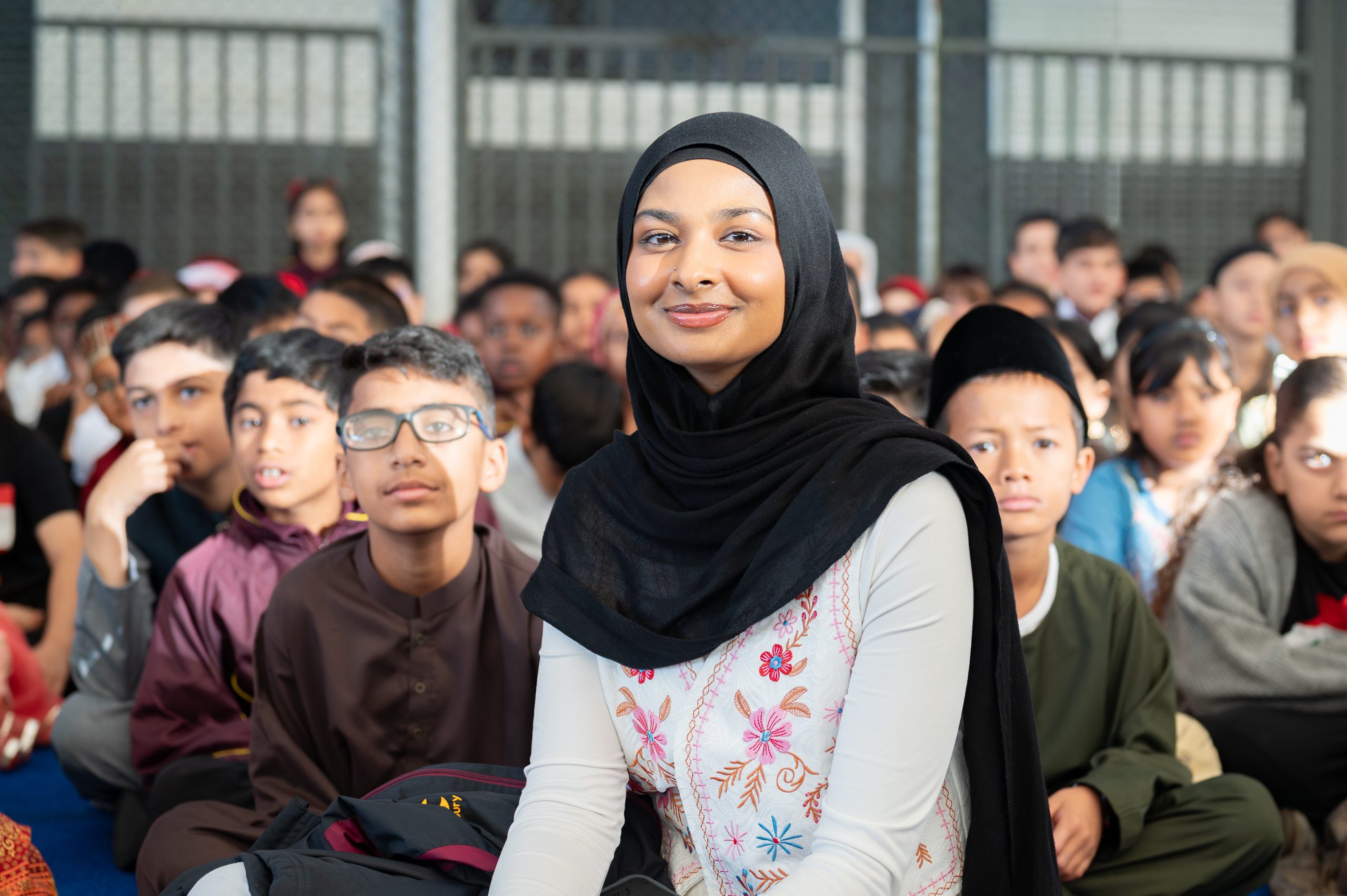
At Islamic College of Melbourne, wellbeing is embedded across all aspects of school life through a faith-guided approach that incorporates Social and Emotional Learning (SEL), child safety, and holistic student support. This structured approach strengthens character, supports emotional and social development, and builds confidence to learn and grow. Across Primary and Secondary, dedicated Student Services teams work closely with staff and families to ensure every student feels supported, included, and able to thrive in a safe and values-driven environment. The College is committed to maintaining a child-safe environment where students feel respected, protected, and supported throughout their educational journey.
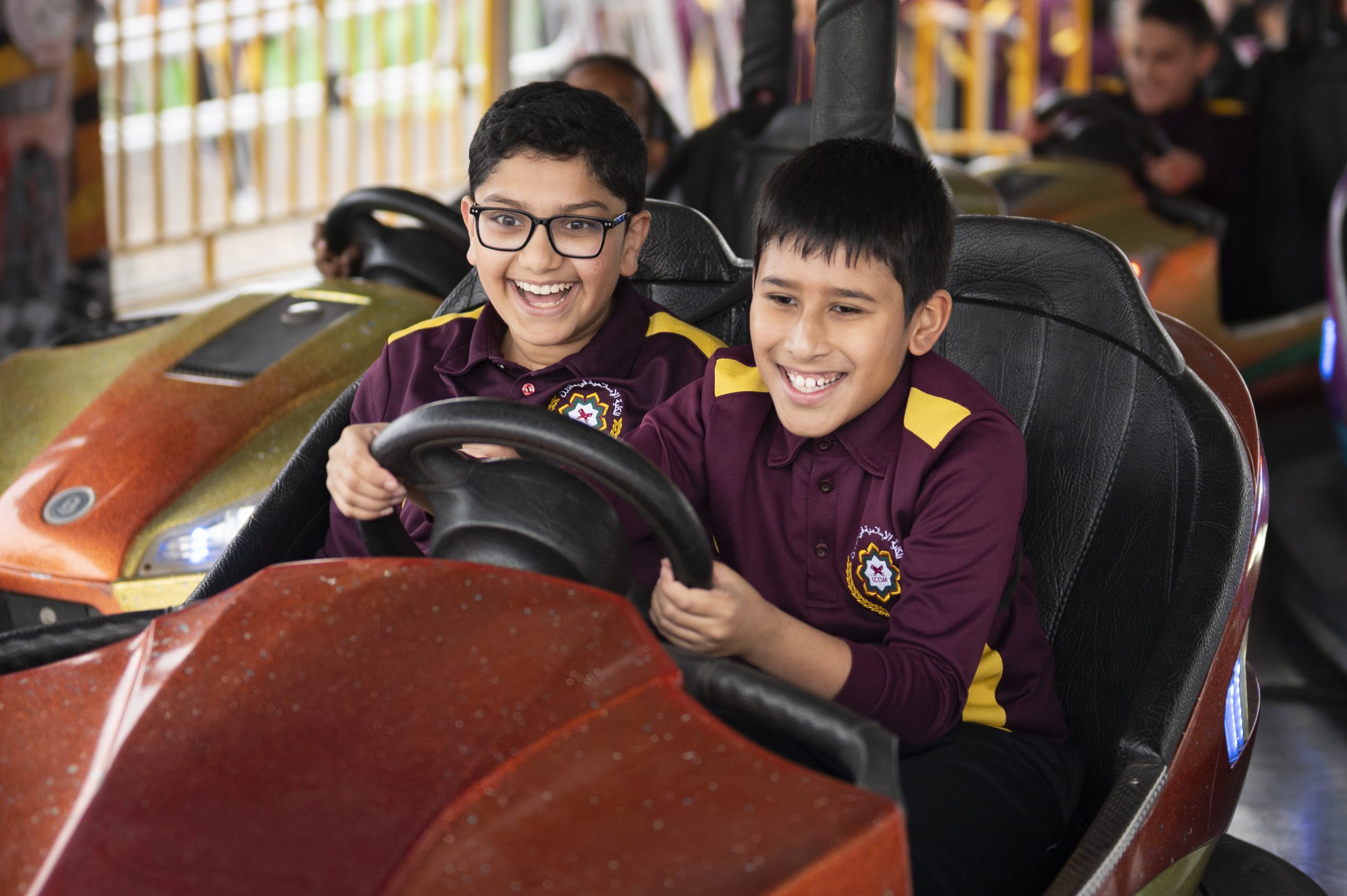
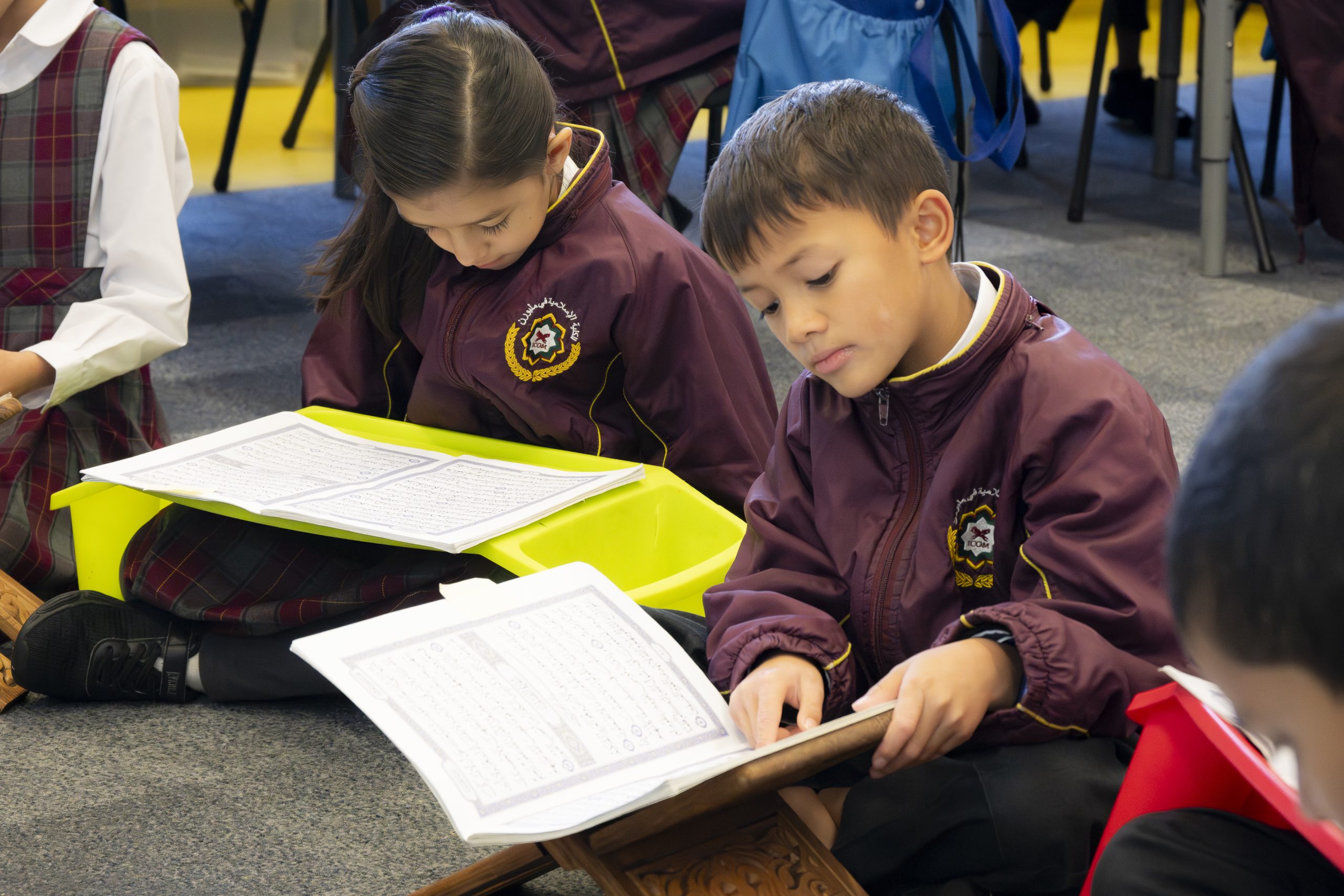
Faith-Based Wellbeing
Wellbeing at the Islamic College of Melbourne is a whole-school commitment that supports students in their emotional and social development while nurturing faith and character. Guided by Islamic values, students are encouraged to build resilience and personal responsibility throughout their school journey.
Students are encouraged to place their trust in Allah (SWT) while developing self-awareness, confidence, and a positive mindset that supports them through life’s opportunities and challenges.
Across Primary and Secondary, wellbeing programs are led by dedicated Student Services teams who work closely with staff and families to ensure every student feels supported. Through consistent care and guidance, students develop confidence, strengthen positive habits, and grow into young people who contribute positively to their community.
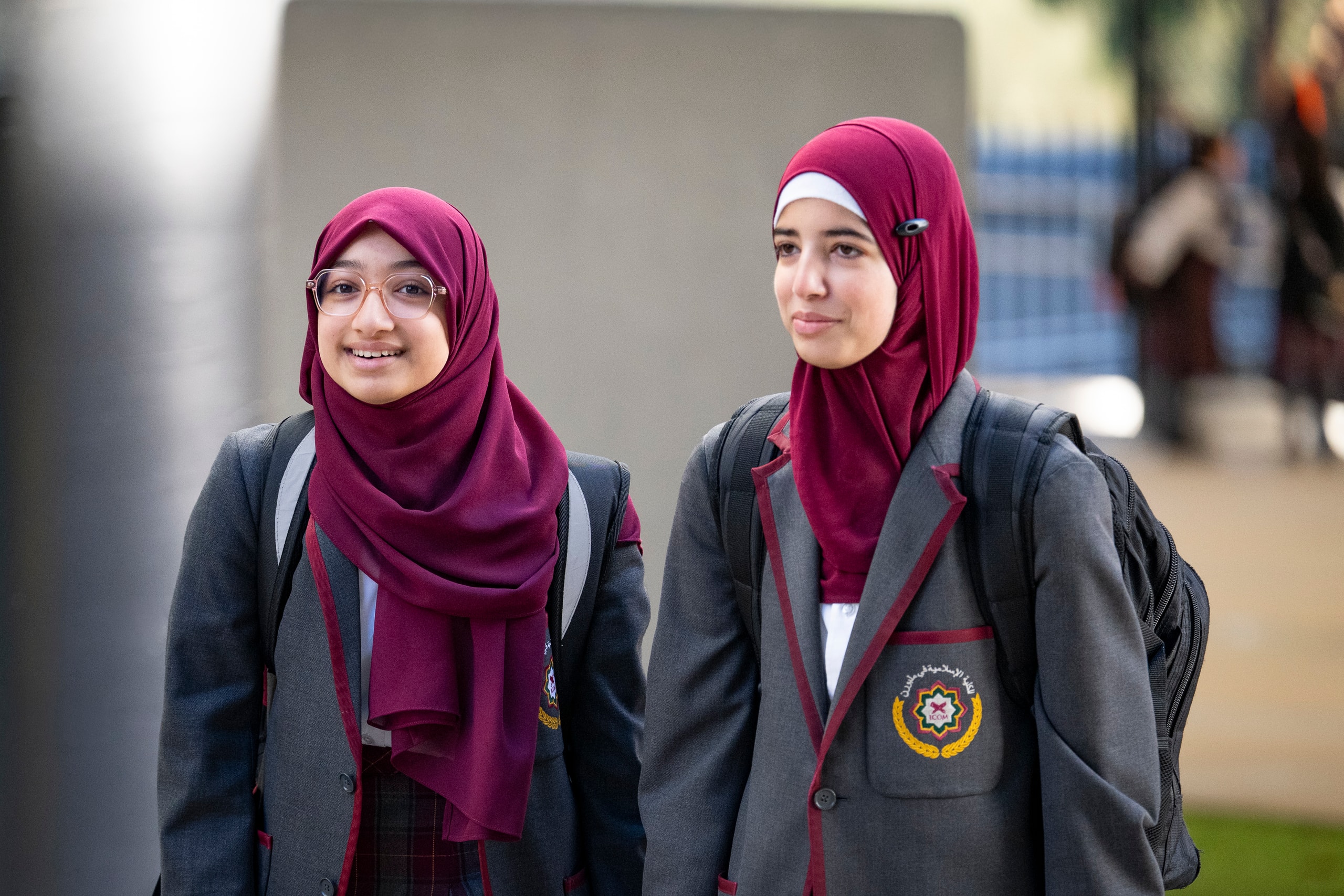
Social & Emotional Learning (SEL)
The College places strong emphasis on emotional and social development as a foundation for student growth. Through Social and Emotional Learning (SEL), students are supported to understand their emotions, reflect on their behaviour, and consider how their actions affect others.
Through structured guidance and meaningful conversations, students develop resilience, strengthen self-awareness, and build healthy relationships. Support is tailored to each stage of learning, helping younger students establish positive habits while encouraging older students to take greater ownership of their choices. The goal is to equip students with the skills and confidence to navigate challenges both at school and beyond.
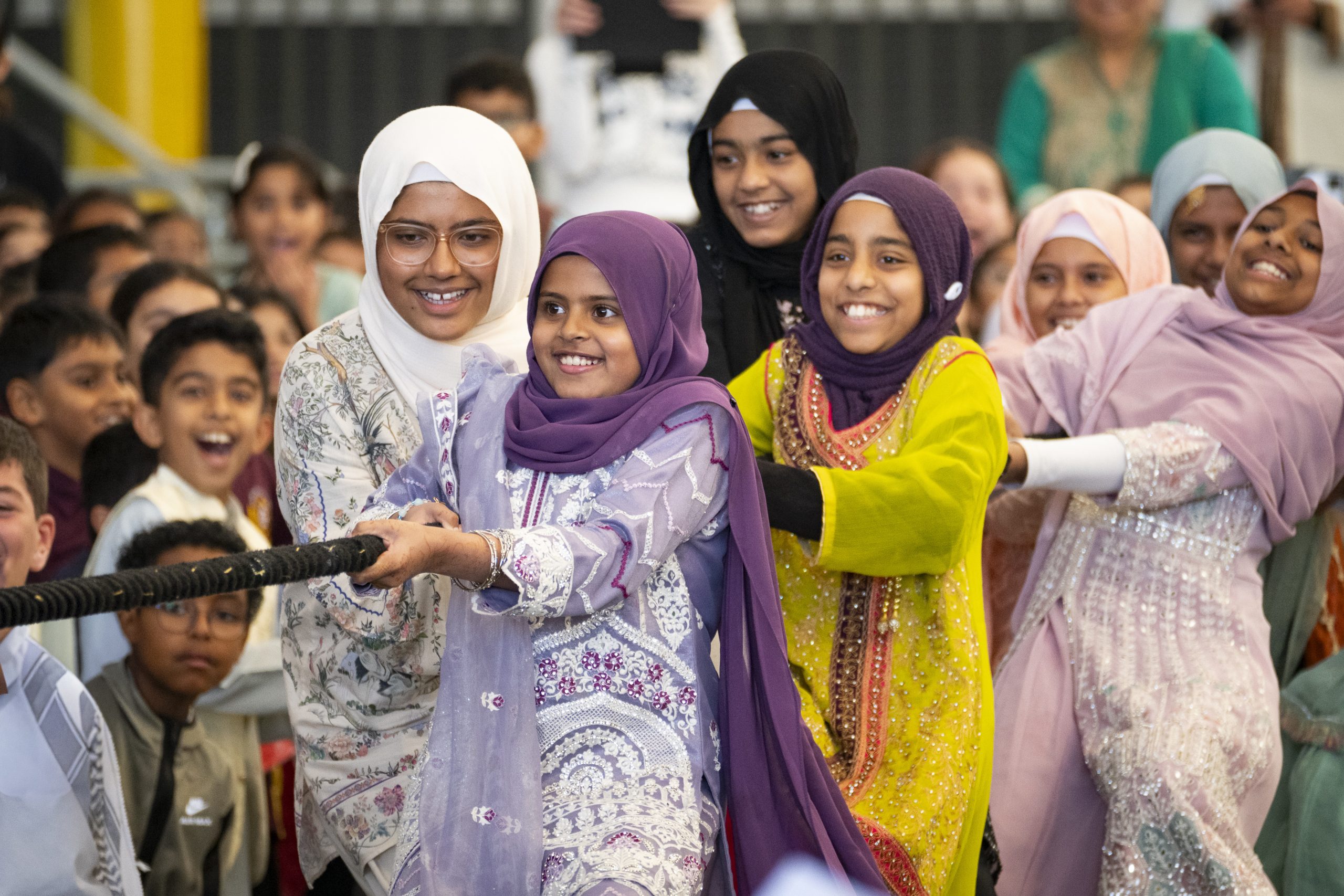
Character & Values
Character development sits at the heart of student wellbeing at the Islamic College of Melbourne. Guided by Islamic values, students learn the importance of respect and responsibility while developing integrity and good character.
Clear expectations help students understand appropriate behaviour, while consistent guidance encourages reflection and accountability. Students are supported to learn from mistakes, repair relationships where needed, and develop habits that reflect strong values. Rather than relying solely on rewards or consequences, students are encouraged to make positive choices based on understanding, personal responsibility, and a commitment to doing what is right.
Support, Counselling & Intervention
Student support at the Islamic College of Melbourne provides a coordinated system of care that ensures every student is supported in their wellbeing, behaviour, and personal growth. Led by dedicated Student Services teams across Primary and Secondary, support is responsive, consistent, and grounded in strong relationships with students, staff, and families. Each faculty is supported by a dedicated Student Services Coordinator who works closely with students, families, staff, and external specialists to ensure support is tailored to individual wellbeing, learning, and social-emotional needs. The focus is on helping students feel safe, understood, and equipped to engage positively with their learning and school life.
Pathways & Leadership
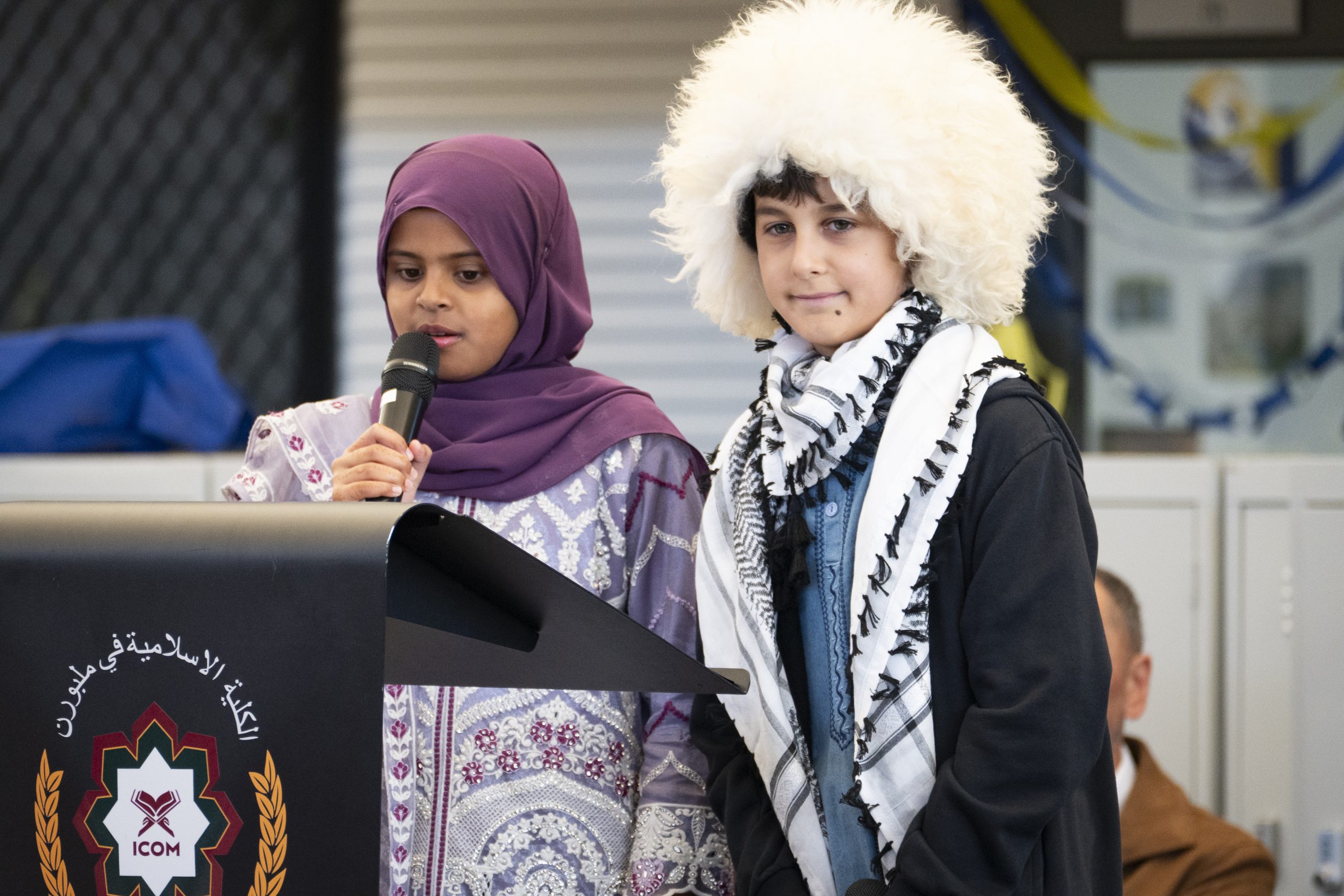
Students are encouraged to develop confidence and leadership through opportunities that strengthen responsibility and participation in school life. Through the Student Representative Council (SRC), students develop leadership skills, represent the views of their peers, contribute ideas, and play an active role in shaping a positive and inclusive school culture.
Mentoring programs foster connection across year levels, including the Primary Buddy Program and peer support initiatives in Secondary.
Senior Secondary students also benefit from a dedicated Careers Counselling department that supports pathway planning and future decision-making.
Programs such as the ICOM Careers Expo and Meet the Professionals provide valuable opportunities to explore university pathways, career options, and life beyond school.
Belonging & School Culture
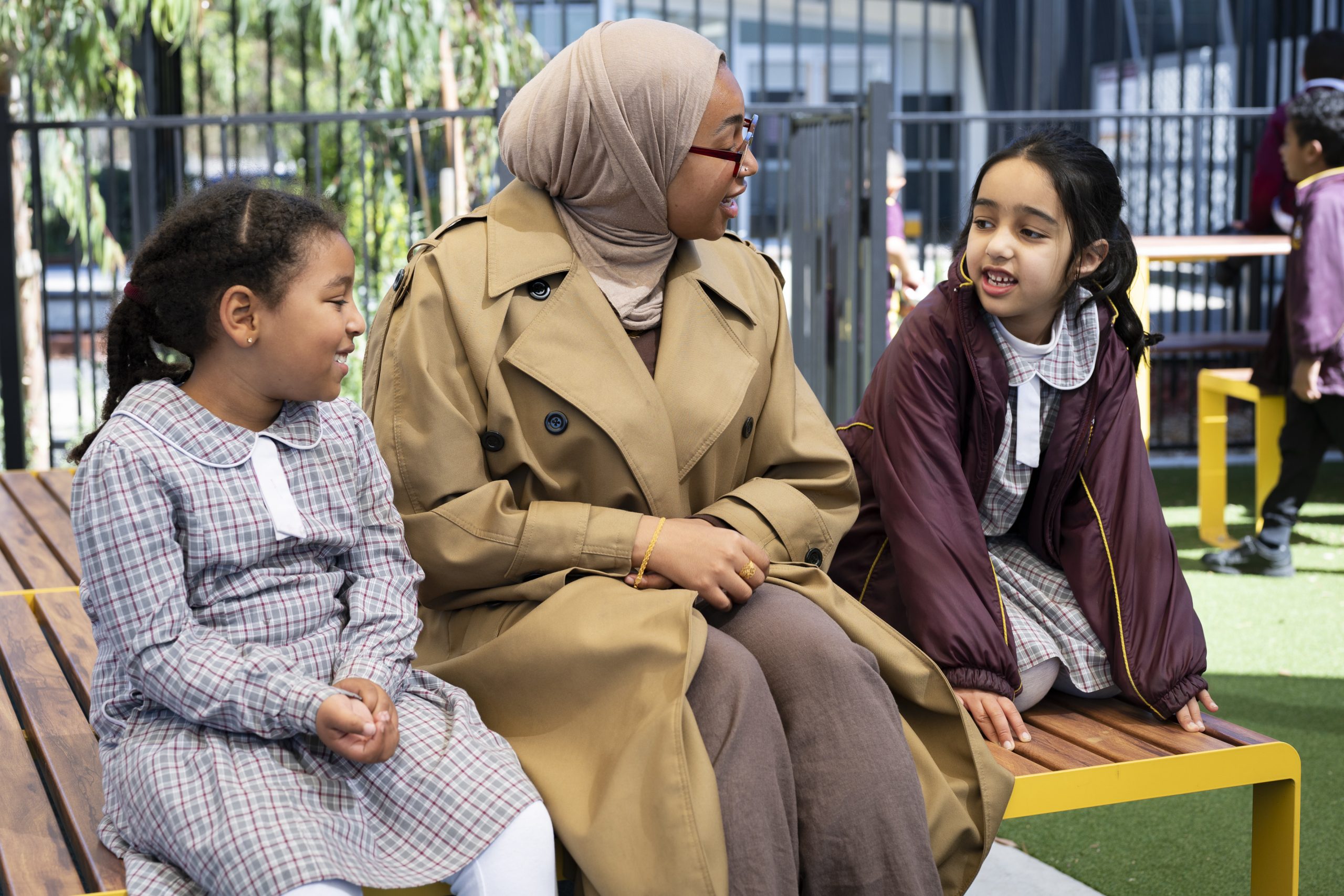
A strong sense of belonging is nurtured through a positive school culture that values connection and participation. Students are encouraged to build meaningful relationships while developing pride in their school community.
The House system strengthens teamwork and school spirit through shared experiences and healthy competition. Students belong to Najah, Hikmah, Iman, or Ilm House, creating opportunities for connection across year levels. College Athletics Days are a key highlight of the school calendar, bringing Houses together in spirited competition and celebration.
Wellbeing Days and initiatives such as Sunnah to Smile Mental Health Week further strengthen community engagement while promoting wellbeing through a faith-centred lens.
Behaviour & Positive Recognition
Behaviour and positive recognition at the Islamic College of Melbourne is built on clear expectations, consistent guidance, and a strong focus on character development. Students are taught how behaviour frameworks operate and are supported to understand the impact of their choices within the classroom and wider school community. The approach is designed to help students develop self-discipline, accountability, and a sense of responsibility grounded in Islamic values.
Personal Responsibility & Online Safety
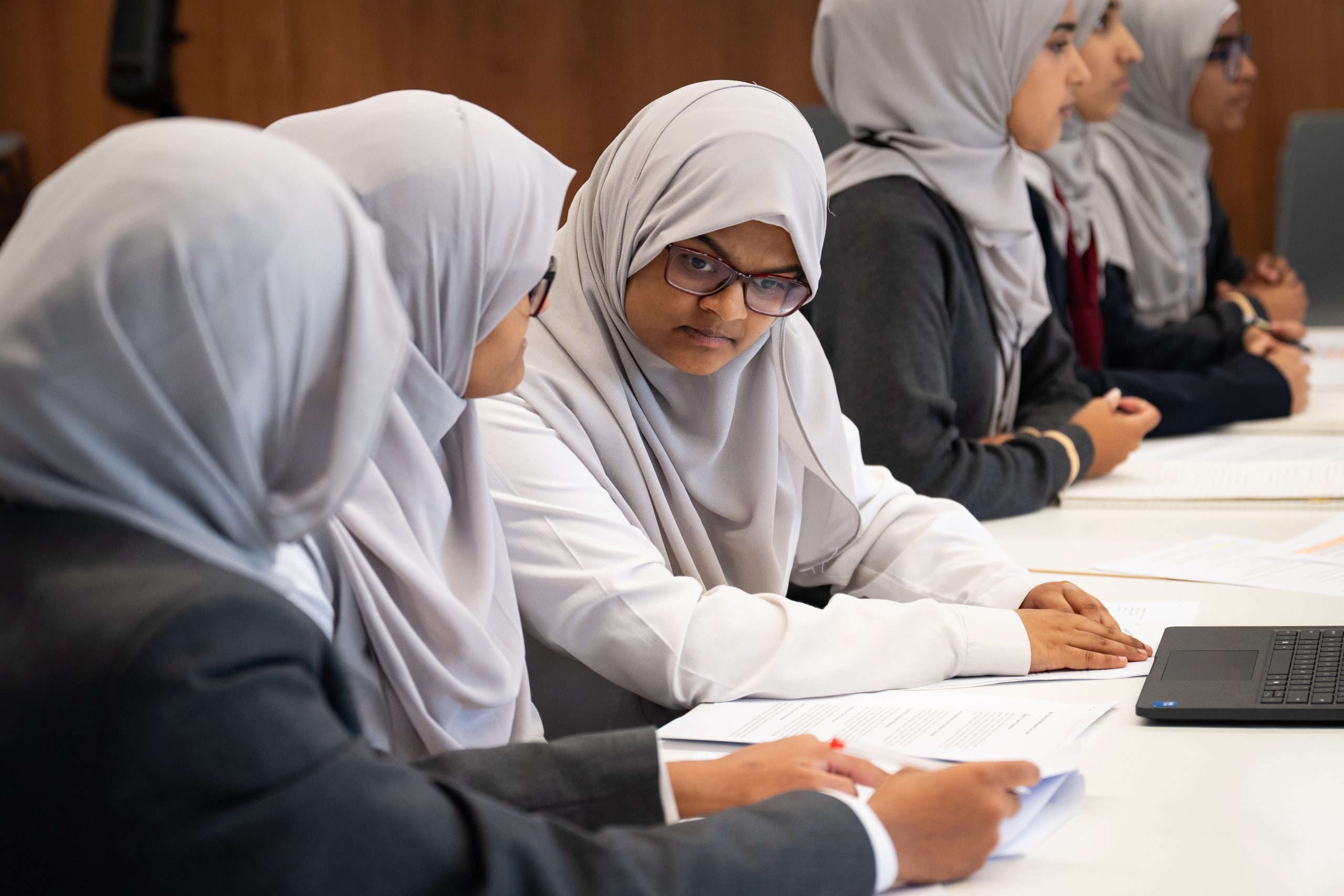
Students are encouraged to develop personal responsibility by understanding the impact of their choices and recognising their obligations to others. Through consistent guidance, they learn to act with integrity while making thoughtful decisions in everyday situations.
A strong focus is placed on online safety and responsible digital behaviour. Students are taught how to engage respectfully in digital spaces, manage their online presence, and understand the long-term impact of their digital footprint. As they mature, they develop greater independence and judgement, enabling them to navigate both online environments and real-world interactions with confidence, care, and accountability grounded in strong values.